

Here's something most South Florida business owners figure out the hard way: your personal credit score might have helped you launch your business, but it's not going to carry you to the next level. And more importantly, it shouldn't have to.
If you're still using your personal credit to fuel business growth, you're leaving money on the table, and putting your personal assets at risk. Let's fix that.
Why Your Personal Score Can't Do the Heavy Lifting
Look, we get it. When you're starting out, using your personal credit feels easier. You've got the history, the score, and maybe even a decent limit on your cards. But here's the problem: your personal credit reflects consumer behavior, not commercial strength.
Lenders look at your mortgage, car payments, and that credit card you've had since college. That's fine for buying a house. But when you're trying to secure a $200K line of credit for equipment, expand your restaurant, or bid on larger construction projects? Banks want to see that your business can handle debt, not just you personally.
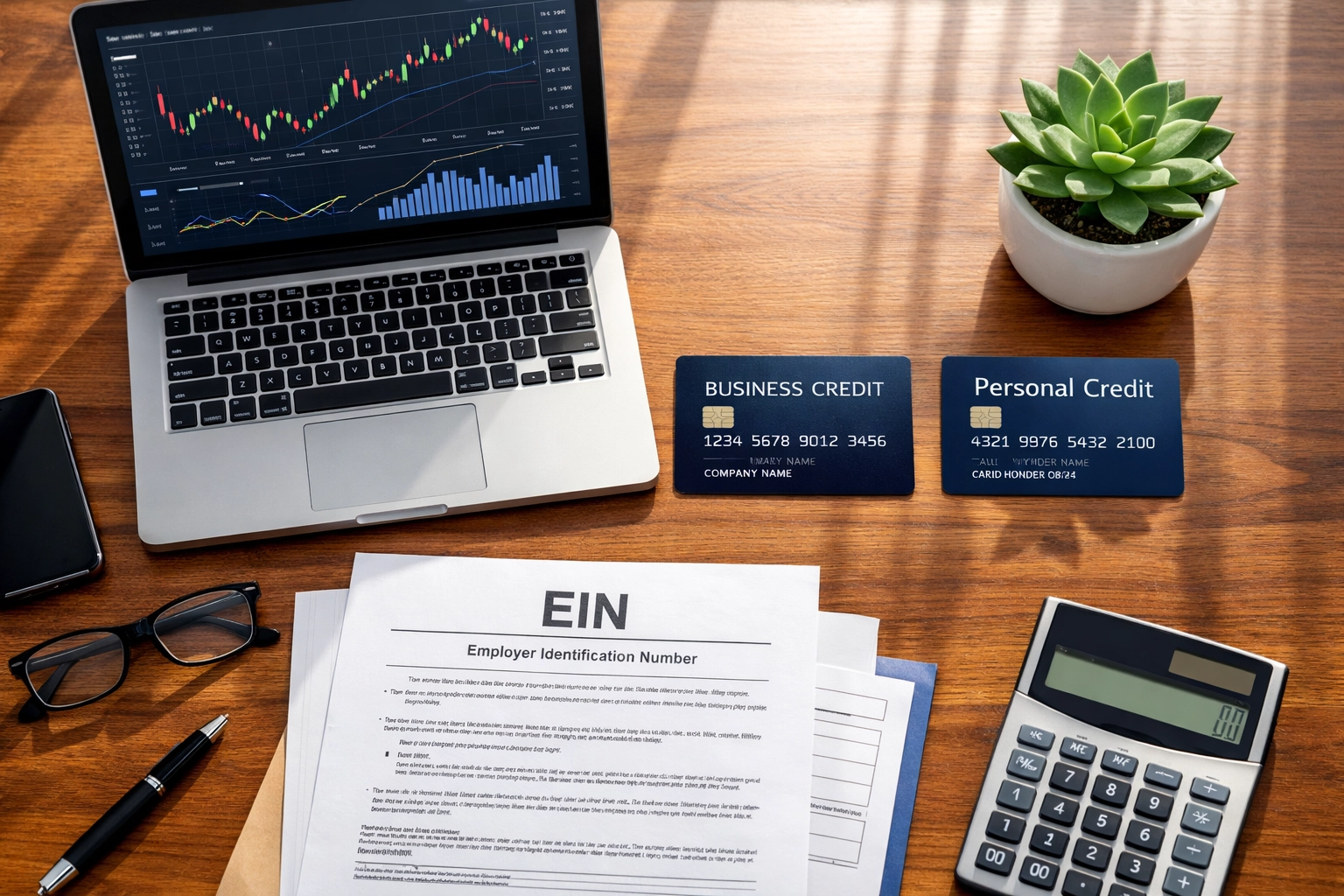
And here's the real kicker: commingling your personal and business finances creates a legal and financial mess. No separation means no protection. If your business gets sued or faces a liability claim, your personal assets are on the line. Your house. Your car. Your kid's college fund. That's not a risk worth taking.
The bottom line: Your personal credit score got you in the game. Business credit keeps you in it, and protects everything you've worked for.
The Checklist: How to Build Business Credit from Scratch
Building business credit isn't rocket science, but it does require intentional steps. Skip one, and you'll hit roadblocks later. Here's your no-nonsense checklist:
1. Get Your Entity Setup Right
First things first: you need a formal business structure. If you're still operating as a sole proprietor under your Social Security Number, stop. Right now.
Set up an LLC or corporation, and get your Employer Identification Number (EIN) from the IRS. This number is your business's financial identity, it's how credit bureaus, lenders, and vendors track your company's creditworthiness separately from yours personally.
No EIN? No business credit. It's that simple.
2. Establish a Professional Presence
Banks and credit bureaus want to see that you're running a legitimate operation. That means:
- A dedicated business address (yes, virtual offices count)
- A business phone number (not your personal cell)
- A professional website and email address
This isn't about appearances, it's about demonstrating that your business is a separate entity with its own operational footprint.
3. Get Your D-U-N-S Number
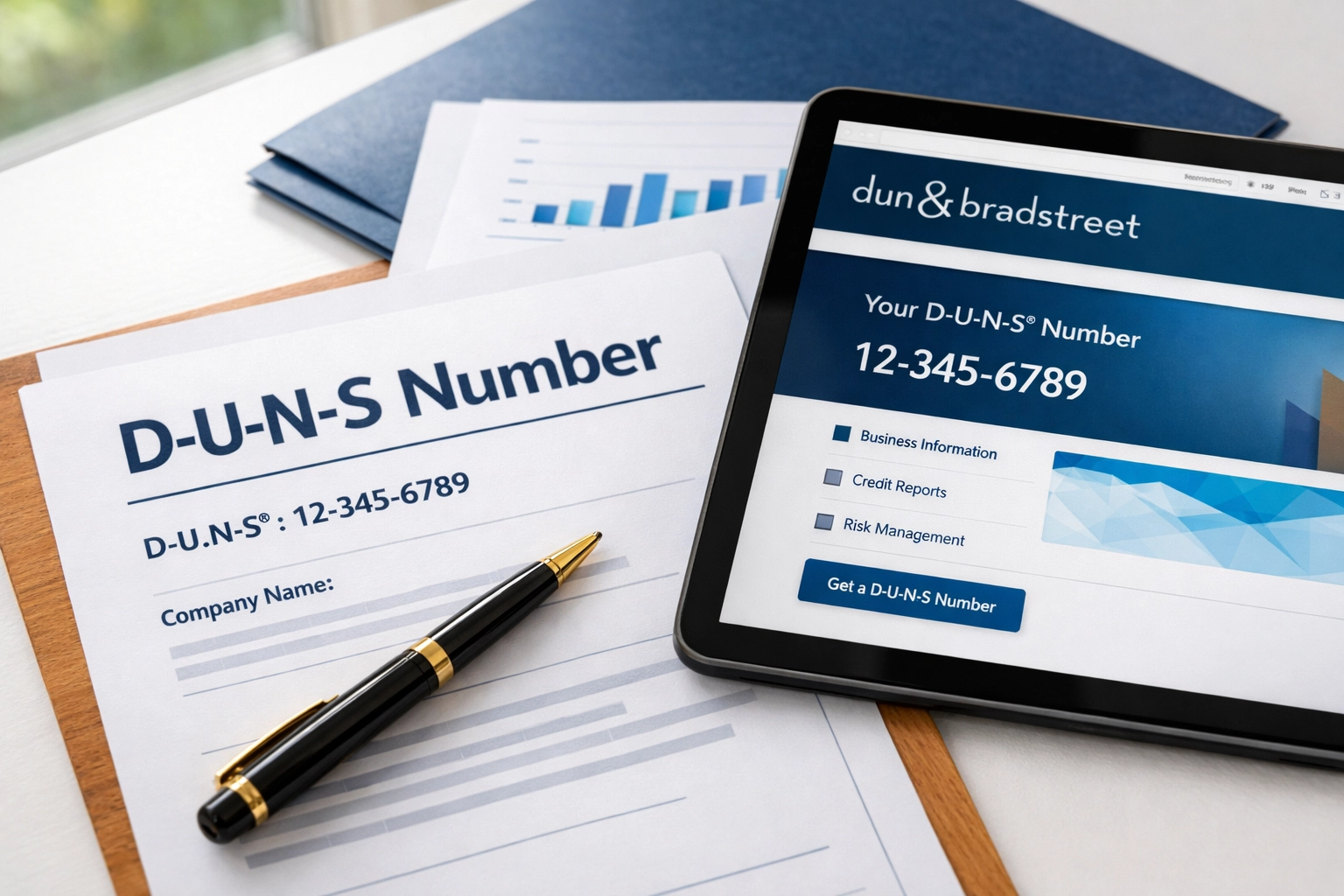
Think of a D-U-N-S number as the Social Security Number for your business. Issued by Dun & Bradstreet, this nine-digit identifier is used by lenders, vendors, and credit agencies to track your business credit history.
The good news? It's free to get. The bad news? If you don't have one, you're invisible to most commercial credit systems. Head to Dun & Bradstreet's website and register. It takes about 30 days to process, so don't wait.
4. Open a Business Bank Account (And Keep It Clean)
Here's where Aces comes in. A business bank account isn't just about convenience, it's the foundation of your credit profile. Lenders look at your banking history to evaluate cash flow, deposits, and financial stability.
But here's the thing: messy books tank your chances of approval. Overdrafts, irregular deposits, and inconsistent reconciliation tell lenders you're not managing money well. That's why our "clean books" policy matters. When your financials are organized, accurate, and up-to-date, banks see a business that's worth betting on.
Trade Lines and Vendor Credit: Your Secret Weapon
Once your foundation is set, it's time to start building actual credit. And the easiest place to start? Vendor credit and trade lines.
Many suppliers, think office supply companies, fuel vendors, equipment providers, offer net-30 or net-60 payment terms. These arrangements report to business credit bureaus, building your profile without requiring a personal guarantee.
Start small. Pay on time (or early, more on that in a second). Then leverage that positive history to negotiate terms with larger suppliers. Before you know it, you've got a credit history that stands on its own.
Strategic Use of Business Credit Cards and Loans
Next step: business credit cards. Not your personal card that you use for "business stuff." An actual business card tied to your EIN.
Start with a card that has a lower limit, something manageable. Use it exclusively for business expenses. Pay it off monthly. This consistent, on-time payment history builds your business credit fast.
As your credit improves, you can graduate to business lines of credit and term loans. These tools aren't about carrying debt, they're about demonstrating your business can manage different types of credit responsibly. Lenders love to see a diverse credit mix. It shows maturity and financial sophistication.
The Golden Rule: Pay Early (Seriously)
Here's something that surprises most business owners: business credit is less forgiving than personal credit.
With personal credit, you've got a 30-day grace period before a late payment hits your score. With business credit? Even a few days late can ding your profile. Credit agencies track payment trends closely, and patterns matter.
Our recommendation? Pay early whenever possible. If a bill is due on the 15th, pay it on the 10th. Not only does this build a stellar payment record, but it also signals to lenders that your cash flow is strong and predictable.
In the 2026 lending environment, where South Florida businesses are already navigating higher insurance costs, labor challenges, and inflation, this kind of discipline separates businesses that get funded from those that get turned down.

Why a Fractional CFO Makes All the Difference
Building business credit isn't just about paying bills on time. It's about maintaining financial ratios that make lenders want to say "yes."
Your Debt-to-Income ratio and Debt-to-Equity ratio matter. A lot. If these numbers are out of whack, even stellar payment history won't save your loan application.
That's where a Fractional CFO: like the team at Aces Business Solutions: comes in. We help you:
- Monitor and optimize your key financial ratios
- Identify the right time to take on strategic debt
- Clean up your books so lenders see a bankable business
- Build a credit strategy that aligns with your growth goals
You don't need a full-time CFO on payroll. But you do need someone who understands the 2026 lending landscape and can position your business for success. That's what we do.
Let's Build a Business That Stands on Its Own
Your business deserves its own credit profile. One that opens doors, protects your personal assets, and positions you for serious growth.
If you're ready to stop relying on your personal credit and start building a business that banks actually want to fund, let's talk. Contact Aces Business Solutions for a strategy session. We'll walk you through exactly where you are, what you need, and how to get there.
Because at the end of the day, your business shouldn't just survive: it should thrive on its own terms.
Categories: Business Growth, Financial Advisory
Industry Tags: Restaurant, Construction & Trades, Automotive, Real Estate, Service-Based Businesses