

The Reality Check: Florida Is Getting Expensive
Let's not sugarcoat it, running a business in South Florida in 2026 is expensive. If your profit margins are tighter than they were two years ago, you're not imagining things.
Insurance premiums have skyrocketed to $6,500–$10,000 annually in coastal areas. Labor costs are climbing as workers demand wages that match Florida's rising cost of living. Rent, utilities, materials, everything costs more. And if you're still charging 2023 prices? Your business is bleeding money, even if your revenue looks decent on paper.
The good news? You don't need a complete business overhaul to survive this. What you need is smarter cash flow management and a willingness to make some strategic adjustments now, before your margins disappear completely.
Here are seven cash flow hacks that service-based businesses across South Florida are using to stay profitable in 2026.

Hack #1: Stop Using 2023 Pricing in a 2026 Economy
This one's uncomfortable, but necessary: when was the last time you raised your prices?
If your answer is "before 2025," you're undercharging. Period. Your costs have increased, insurance, labor, fuel, supplies, but if your pricing hasn't kept pace, you're subsidizing your clients' expenses out of your own pocket.
We get it. Raising prices feels risky. You worry about losing clients or seeming greedy. But here's the reality: your best clients understand that quality costs money. They'd rather pay a fair price than watch you go out of business.
Action step: Review your pricing against your actual cost structure. Calculate what it truly costs to deliver your service (including overhead), add your desired profit margin, and adjust accordingly. If you haven't raised prices in 18+ months, a 10–15% increase is reasonable, and necessary.
Hack #2: Hunt Down 'Ghost' Subscriptions
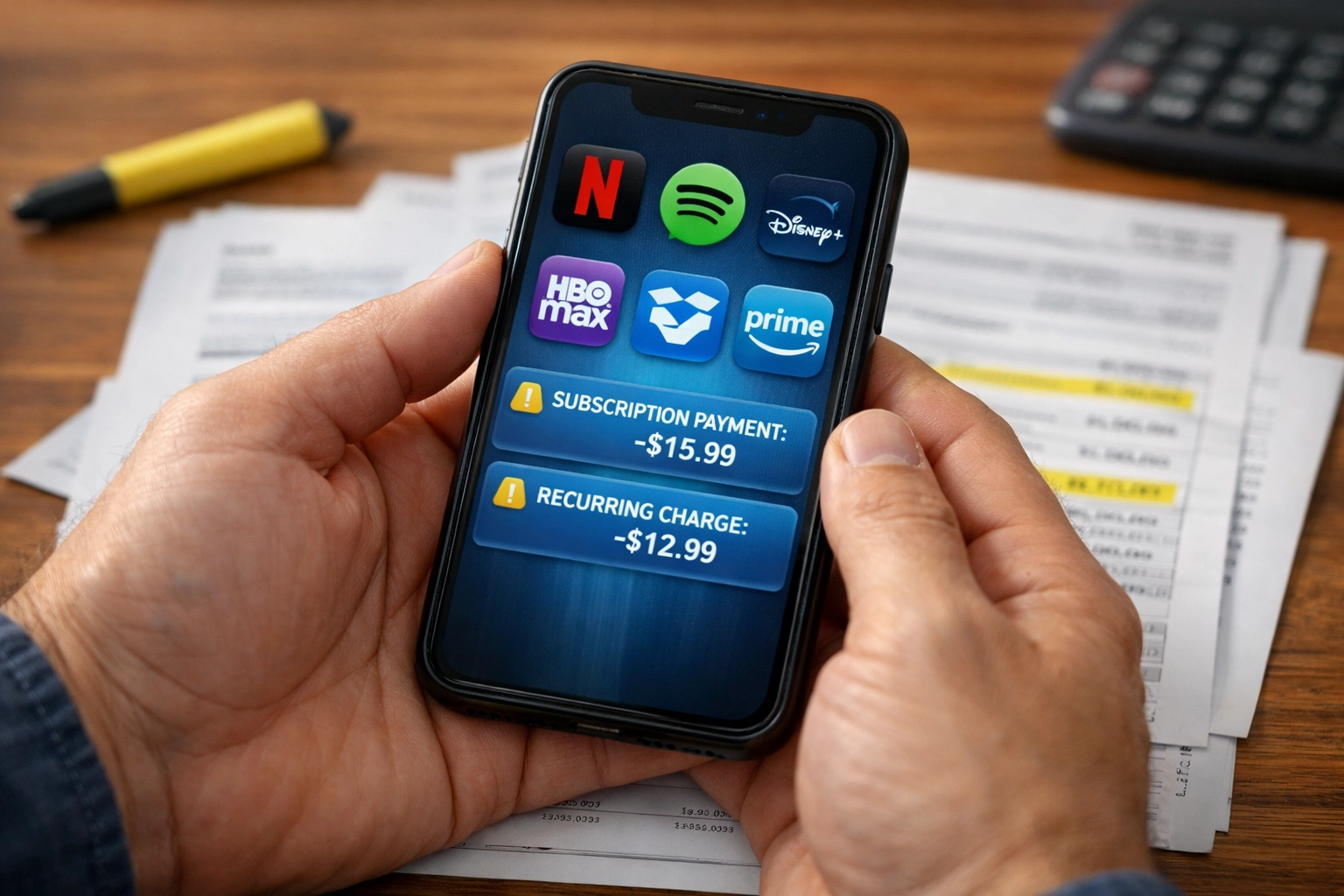
You'd be surprised how much money leaks out through subscriptions you forgot you had. Software tools, membership sites, online services, they add up fast.
Most businesses have at least 3–5 subscriptions they're no longer using actively. That's $100–$500 monthly walking out the door for zero return. Over a year, that's $1,200–$6,000 you could redirect toward marketing, equipment, or hiring.
Action step: Pull up your last three months of bank statements. Highlight every recurring charge. Ask yourself: "Are we actively using this? Does it generate revenue or save us time?" If the answer is no, cancel it. Today.
Hack #3: Automate Your Invoicing to Get Paid Faster
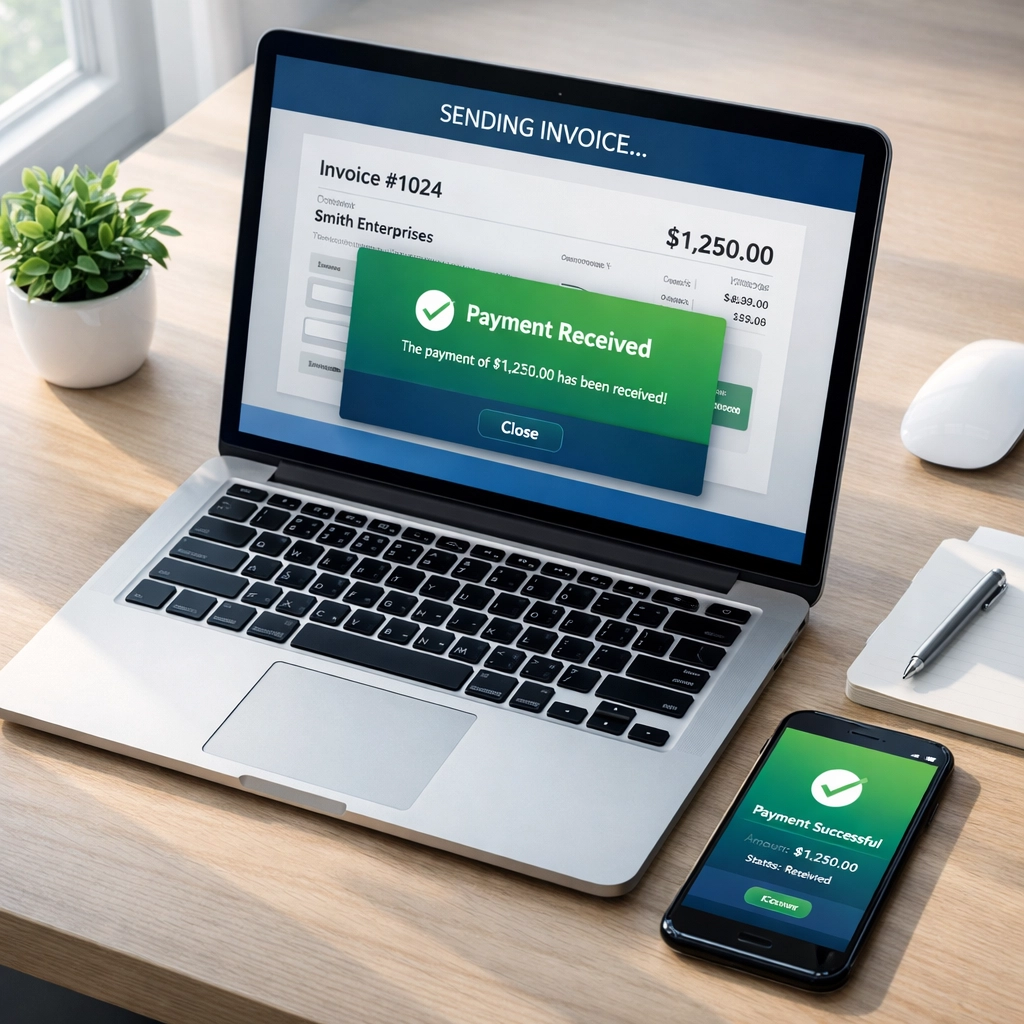
Cash flow problems often aren't revenue problems, they're collection problems. If you're waiting 45–60 days to get paid, you're essentially offering free financing to your clients. And that's costing you money.
Late payments force you to tap into credit lines, delay vendor payments, or miss growth opportunities. The fix? Automate your invoicing and payment reminders. Set up systems that send invoices immediately after service delivery, follow up automatically at 15 and 30 days, and make it ridiculously easy for clients to pay you online.
Action step: Switch to accounting software that automates invoicing and accepts online payments. Tools like QuickBooks Online, FreshBooks, or Wave allow clients to pay via credit card or ACH, and studies show businesses that accept online payments get paid 2x faster than those relying on checks.
Hack #4: Implement 'Profit First' Principles
Most businesses follow this formula: Revenue – Expenses = Profit (and hope there's something left over).
The Profit First method flips that: Revenue – Profit = Expenses.
Here's how it works: every time money hits your bank account, you immediately allocate a percentage to profit, owner's pay, taxes, and operating expenses, in that order. This forces you to run a leaner operation and ensures you're profitable from day one, not just at year-end (if you're lucky).
For service-based businesses in Florida, we typically recommend starting with:
- 5% to Profit (increase over time)
- 30% to Owner's Pay
- 15% to Taxes
- 50% to Operating Expenses
Adjust these percentages based on your industry and margins, but the principle remains: pay yourself first, then figure out how to operate within what's left.
Action step: Open separate bank accounts for Profit, Owner's Pay, Taxes, and Operating Expenses. Every time you receive payment, distribute funds according to your percentages. Yes, it feels weird at first. Yes, it works.
Hack #5: Leverage 2026 Tax Credits and Deductions
Florida businesses have access to several federal tax benefits in 2026 that can directly improve cash flow: if you know where to look.
Section 179 Deduction: Allows you to deduct the full purchase price of qualifying equipment (vehicles, machinery, software) in the year you buy it, rather than depreciating it over time. For 2026, you can deduct up to $1,220,000 in equipment purchases.
Work Opportunity Tax Credit (WOTC): Provides credits of $2,400–$9,600 per employee if you hire from certain groups (veterans, ex-felons, long-term unemployed). For businesses struggling with labor costs, this can offset hiring expenses significantly.
R&D Tax Credits: Even small businesses that develop new processes, software, or products may qualify. Many service businesses don't realize they're eligible.
The catch? You need to plan for these proactively: not at tax time.
Action step: Schedule a strategy call with your accountant or fractional CFO before making major purchases or hiring decisions. A 30-minute conversation can save you thousands in taxes.
Hack #6: Monitor Labor Efficiency Ratios
Labor is typically your biggest expense. If you're not tracking how efficiently your team generates revenue, you're flying blind.
Your Labor Efficiency Ratio is simple: Total Labor Cost ÷ Total Revenue = Labor %
For most service-based businesses, labor should represent 25–35% of revenue. If yours is creeping toward 40–50%, you've got a problem. Either your team isn't productive enough, or you're undercharging for your services (see Hack #1).
Action step: Calculate your labor efficiency ratio monthly. If it's too high, identify the root cause: Are you overstaffed? Are jobs taking longer than estimated? Are you paying overtime unnecessarily? Once you know where the inefficiency lives, you can fix it.
Hack #7: Use a Fractional CFO for Proactive Forecasting
Here's the difference between businesses that survive Florida's rising costs and those that don't: proactive financial planning.
Most small businesses only look backward: reviewing last month's profit and loss, reconciling accounts, filing taxes. But backward-looking data doesn't help you make forward-looking decisions.
A Fractional CFO changes that. Instead of just recording what happened, they help you forecast what's coming: upcoming cash crunches, seasonal slowdowns, tax liabilities, growth opportunities. They model "what-if" scenarios so you can make informed decisions before you're in crisis mode.
And unlike hiring a full-time CFO (which costs $150K–$250K annually), a Fractional CFO gives you C-level financial strategy at a fraction of the cost: usually $2,000–$5,000 monthly, depending on your needs.
For South Florida businesses dealing with rising insurance, labor, and operational costs, having someone in your corner who can spot problems three months out: and help you fix them: is the difference between surviving and thriving.
Action step: If you're making financial decisions based on gut feeling instead of data, it's time to bring in a financial partner who can give you clarity. Book a strategy call with Aces Business Solutions to see how fractional CFO services can stabilize your cash flow and position you for growth.

Survival Isn't About Working Harder: It's About Being Smarter With the Data
You can't control Florida's insurance rates, labor costs, or inflation. But you can control how your business responds.
The businesses that thrive in 2026 won't be the ones working the longest hours or hustling the hardest. They'll be the ones making smarter decisions based on real financial data, adjusting quickly when costs rise, and building systems that protect cash flow instead of hoping things improve on their own.
You've already built something valuable. Now it's time to protect it with strategy, not just hard work.
Ready to Take Control of Your Cash Flow?
If you're tired of watching costs rise while profits shrink, let's fix it. Our team at Aces Business Solutions specializes in helping South Florida service-based businesses: restaurants, construction companies, real estate firms, automotive shops, and more: build cash flow systems that actually work.
Book a strategy call today and let's start building a financial plan that keeps your business profitable, no matter what Florida throws at you in 2026.
Categories: Business Growth, Financial Advisory, Cash Flow Management
Industry Tags: Restaurant, Construction & Trades, Automotive, Real Estate, Service-Based Businesses